The real test of rail reform

Rail reform will be judged by passenger and freight outcomes, not new structures. Delivery excellence, integrated decision-making and shared performance information will determine whether ambition becomes lasting change.
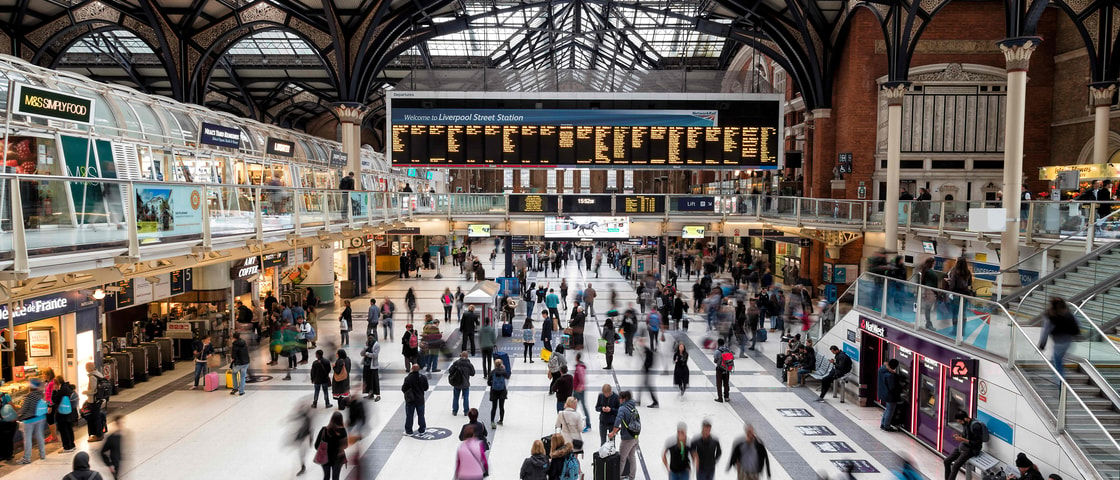
Key takeaways
Great British Railways is the starting point, but reform succeeds only when operational behaviours, decisions and outcomes change
Shared cost, schedule, risk and performance information is essential to faster decisions, stronger accountability and effective integration
Strong governance and delivery leadership must keep passenger, freight and economic outcomes at the centre of transformation
The UK's rail reform agenda is moving from policy development to delivery.
With the Railways Bill progressing through Parliament and the Government now sharpening its focus on the cost and delivery of rail infrastructure, attention is increasingly turning from the structures of reform to how the industry performs in practice.
Through plans for Great British Railways (GBR), government aims to create a more integrated railway by bringing infrastructure and operations under a single guiding framework, reducing fragmentation in decision-making and strengthening accountability for performance.
The ambition is significant. Yet rail reform will not be judged by the legislation passed or the organisations created. It will be judged by whether passengers experience a better railway.
For industry leaders, attention must now turn to execution. The challenge is translating the ambitions of reform into meaningful and lasting change across the network.
Great British Railways is not the reform
The creation of GBR represents the most significant change to the industry in a generation. However, creating a new organisation is only the starting point.
Britain's railways have often been defined by fragmentation: fragmented responsibilities, fragmented decision-making and fragmented accountability. The government’s rail reform seeks to address those issues structurally. The challenge now is addressing them operationally.
A more integrated railway depends on more than transferring responsibilities into a new organisational structure. It requires decisions about infrastructure, operations, technology and customer experience to be made against a common set of objectives and a shared understanding of network performance.
The real test of reform is not whether the structure changes. It is whether behaviours, decisions and outcomes change with it.
Turning ambition into delivery
Rail reform is fundamentally a transformation programme but, unlike most transformation programmes, it cannot be delivered behind closed doors. Every change must be implemented while trains continue to run, passengers continue to travel and performance remains under constant scrutiny.
Put simply, railways cannot pause while governing bodies are reorganised. For complex transport systems, the challenge is not simply to build for the future, but to improve performance today while doing so.
Experience across major programmes shows that transformation rarely fails because of a lack of ambition. More often, programmes lose momentum when strategy, delivery and decision-making fall out of alignment. Competing priorities emerge, visibility reduces and organisations become focused on managing individual interests rather than achieving shared outcomes. The risk for rail reform is not that the vision lacks ambition. It is that the complexity of implementation dilutes its impact.
That challenge is increasingly being recognised at government level. The independent review of rail infrastructure costs announced alongside the 2026 Budget will examine costs across the sector as part of a wider effort to improve infrastructure delivery. For industry, that reinforces an important point: successful reform must ultimately enable infrastructure to be planned, governed and delivered more effectively, not simply rearrange where responsibility sits.
Creating a single version of the truth
If reform is to succeed, leaders need confidence in the decisions they make. That sounds simple, yet it remains one of the most common challenges across large infrastructure and transport programmes. Cost, schedule, risk and performance information often sit in different places, managed by different teams and interpreted through different lenses. When organisations cannot see the same picture, alignment becomes difficult and decision-making slows.
Mace Consult's work supporting Network Rail's North West Enhancements portfolio demonstrated the value of creating a more connected delivery environment. By strengthening schedule governance, programme reporting and visibility across stakeholders, the programme established greater transparency and more effective decision-making across a complex delivery landscape.
The lesson for rail reform is straightforward. Integration requires more than organisational change. It requires a shared understanding of performance, priorities and risk. Without that, even well-intentioned reform can struggle to achieve lasting change.
Leading through complexity
The scale of rail reform means that leaders must navigate multiple priorities simultaneously. They must improve performance while introducing change, manage short-term pressures while delivering long-term transformation and build confidence among passengers, operators, supply chains and government while maintaining momentum across reform programmes. This is where governance becomes critical, not as an administrative process but as a delivery tool.
The Midlands Rail Hub programme is helping to create the information management, assurance and governance frameworks needed to support effective decision-making across a complex live railway environment. The objective is not governance for its own sake. It is creating the confidence needed to make informed decisions, manage risk and keep delivery moving forward. The same principle applies nationally. Reform will require strong leadership, clear accountability and disciplined delivery if ambition is to translate into measurable outcomes.
Keeping passengers at the centre
One of the greatest risks facing rail reform is becoming overly focused on organisational change. Passengers do not experience governance structures. Freight customers do not benefit from accountability frameworks alone. They experience whether services are reliable, whether journeys are simpler and whether the network supports economic growth and connectivity.
Ultimately, these are the outcomes that matter.
That is why reform should be measured not by the processes introduced, but by the improvements delivered. Effective programme management, assurance and governance are important because they enable better outcomes, not because they are ends in themselves.
From reform to results
The organisations that succeed will be those that can align stakeholders, make decisions quickly, manage complexity and maintain focus on the outcomes that matter most. Doing so will require more than structural change. It will require delivery excellence.
The success of rail reform will be reflected in the journeys people make, the services freight operators receive, the outcomes infrastructure owners achieve and the industry's ability to deliver investment efficiently.
Structures matter. But the real test will be whether reform creates a railway that can make better decisions, manage cost and risk more effectively and turn investment into better outcomes.
Related insights
-

Delivering smarter, more flexible airports
Perspective



Explore our services
Your questions answered
What is this perspective about?
This perspective explores how the UK rail industry can translate structural reform into better operational and customer outcomes. It examines why integrated decision-making, shared performance information, disciplined governance and delivery leadership are essential to making reform work across a live and complex railway.
What are the key takeaways from this perspective?
The central takeaway is that organisational change alone will not deliver rail reform. Success depends on aligning stakeholders around shared objectives, improving visibility of cost, schedule, risk and performance, and maintaining a clear focus on outcomes experienced by passengers and freight customers.
Why is integration critical?
Integration allows infrastructure, operations, technology and customer experience decisions to be made against common objectives. Without a shared view of performance, priorities and risk, responsibilities may move into a new structure while fragmented behaviours and slow decision-making remain.
Who should read this perspective?
- Rail and transport leaders
- Government and public-sector decision-makers
- Infrastructure owners and operators
- Programme directors and sponsors
- PMO, assurance and governance leaders
- Supply-chain and delivery partners
How can it support decision making?
It gives leaders a practical framework for assessing whether reform activity is focused on delivery rather than structure alone. It highlights the importance of connected information, clear accountability, aligned governance and measurable passenger and freight outcomes when prioritising investment, setting programme controls and managing implementation risk.
How should success be measured?
Success should be measured through tangible outcomes: more reliable and simpler journeys, improved services for freight operators, stronger network performance and better economic connectivity. Governance, assurance and programme management matter because they enable those results, not because they are ends in themselves.