Reassurance required from new government as material prices bite
In the context of further political uncertainty, leading delivery consultancy, Mace Consult has published its latest quarterly Market View on the UK construction sector and standing out are the impacts of the conflict in the Middle East that are causing material prices to rise once again.
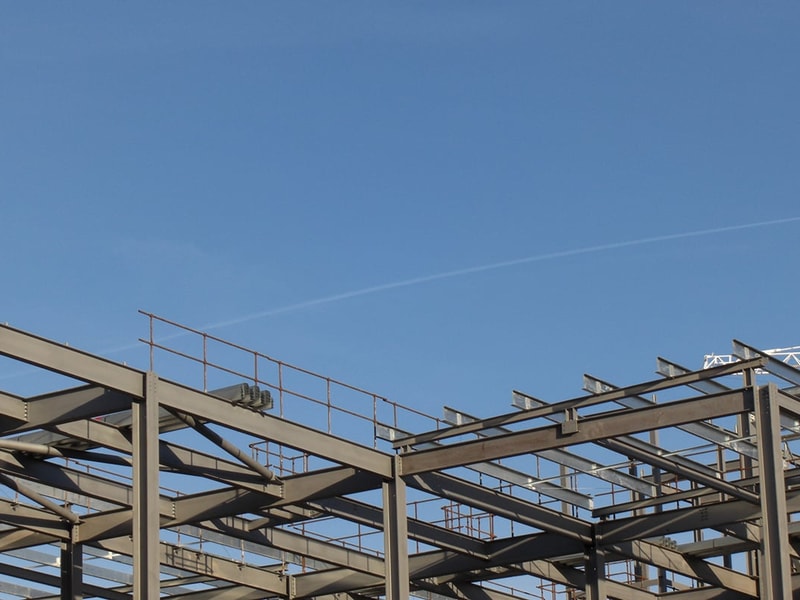
Concerningly for clients, the latest data shows that material prices have been rising at their fastest rate in three years, with fabricated structural steel seeing the largest increase in price over the past year. This is being exacerbated by policy, with panic buying prevalent in the lead-up to the new tariff and quota system coming into effect.
The report also draws attention to the result of weaker output causing greater competition for work, with the risk that some firms may choose to aggressively price tenders. In an inflationary environment this can lead to costs spiralling above winning bids and putting schemes under pressure therefore Mace Consult is warning clients to be cautious of artificially low tenders.
Ceri Evans, Global Director of Cost and Commercial Management, Mace Consult, says:
“The new steel tariff and quota system is unhelpful for construction, resulting in increased costs and further uncertainty. This is on top of rising inflation and depressed activity.
“It is this uncertainty that the new government will need to tackle for the sector to support its growth mission and ambitions for housing and infrastructure.
“Until then, organisations investing in capital projects may defer from giving new projects the green light and should carefully assess the most appropriate procurement routes.”
Moreover, Mace Consult’s latest Market View goes on to warn about the current level of insolvencies, which are significantly higher than their pre-pandemic levels. The concern is that the current market conditions will lead to numbers climbing even more.
Ultimately, a thriving construction sector is necessary for growth, and much depends on whether output rebounds as hoped, or if a lack of confidence means it stays subdued.
It is in this complex environment that the greatest value will come from early engagement, careful market testing, transparent supply chain dialogue and robust commercial controls, helping clients turn volatility into better planning and stronger risk management to deliver projects and programmes on time, on budget, and on scope.
Related
-
UK Market View: Q2 2026
Report
Other news
Your questions answered
Why are construction material prices increasing?
Material prices are being affected by global economic uncertainty, geopolitical tensions and policy changes affecting international trade. Steel products in particular have experienced upward price pressure, creating additional budget challenges for project sponsors and contractors.
How can clients manage construction inflation risk?
Clients can manage inflation risk through early market engagement, robust cost planning, supply chain collaboration and careful procurement strategies. Regular market testing and transparent communication with contractors can also improve project certainty.
What risks do unusually low tenders present?
Exceptionally low tender prices can indicate that risks, inflation or scope complexities have not been fully accounted for. This can lead to contract disputes, programme delays, cost increases and pressure on project delivery once work begins.
Why are construction insolvencies a concern for project delivery?
Higher levels of insolvency increase the risk of supply chain disruption, contractor failure and delays to programme delivery. Clients should consider supplier resilience and financial stability as part of procurement and project risk assessments.
How can early market engagement improve project outcomes?
Early engagement helps clients understand market conditions, identify supply chain constraints and develop more realistic budgets and delivery strategies. This can reduce risk and improve decision-making throughout the project lifecycle.