Key takeaways
3,500
sq m of new research and teaching facilities
100%
fossil fuel free building
300+
researchers, clinicians, and students united
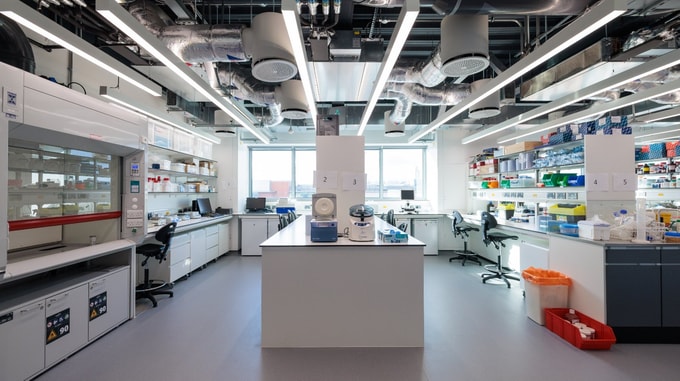
- Creates a next-generation research hub that accelerates breakthroughs in cardiovascular and respiratory science through modern, high-performance laboratories and teaching spaces.
- Allowed 24/7 critical research and clinical work running throughout construction, delivered through precise planning, phased sequencing and a zero-disruption approach on a live hospital campus.
- Delivers one of Imperial’s first fossil fuel free science facilities, supporting the university’s ambitions for net zero campuses for direct emissions by 2040 through advanced building fabric and low carbon technologies.
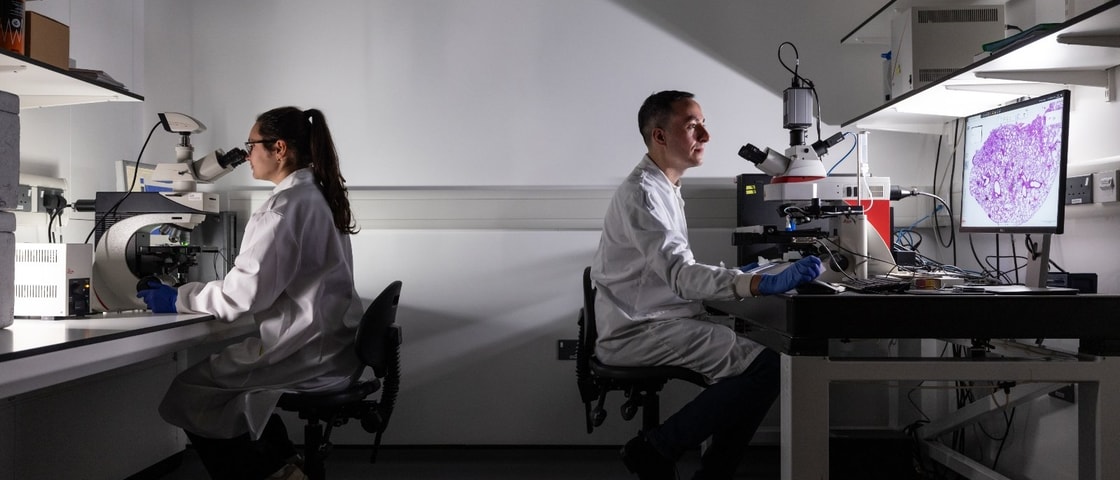
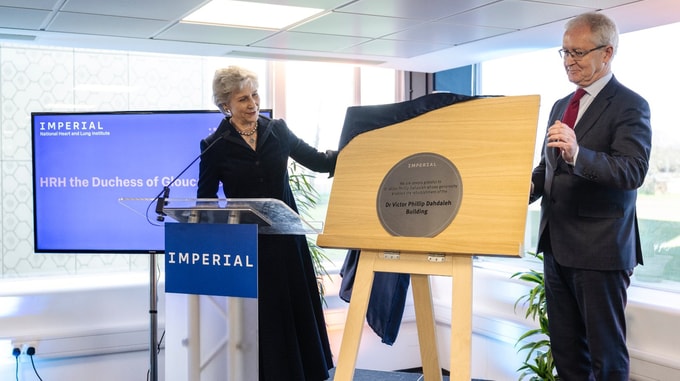
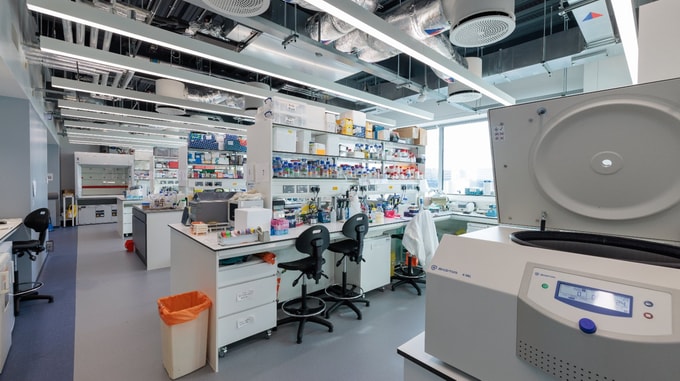
Imperial’s National Heart and Lung Institute (NHLI) in London is a landmark development in the UK’s healthcare and research landscape. Spanning 3,500 sq m, the facility accelerates advances in cardiovascular and respiratory medicine while setting new standards in sustainability, retrofit innovation and scientific collaboration.
While the project forms part of Imperial’s wider ambition to improve research outcomes in heart and lung disease, its success is rooted in the precision and expertise required to transform an ageing structure into a modern, high performance research environment.
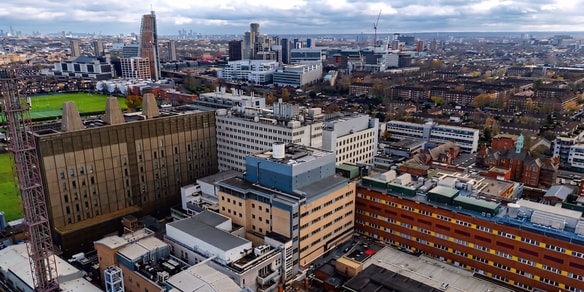
Located at the heart of Imperial’s Hammersmith campus, the Institute brings together more than 300 researchers, clinicians and students in a purpose-built setting that supports translational science and cross disciplinary collaboration. Early engagement with the scientific community shaped an end to end delivery strategy, supported by integrated design, engineering and supply chain teams. This approach included early surveys, coordinated design development and a structured sequencing plan that enabled each discipline to progress efficiently within the constraints of the existing building.
Cardiovascular disease remains the third leading cause of death in England, affecting around 6.4 million people. The Institute responds to this challenge by enabling world class research that supports earlier diagnosis, better treatments and improved patient outcomes. It also advances respiratory research, including asthma, COPD and long COVID. To ensure the retrofit directly supported these ambitions, the project team worked closely with Imperial to enhance laboratory capability, environmental performance and the resilience of critical building services.
Transforming a 1960s building into a leading science and research hub presented significant technical complexity. As the university’s first major retrofit designed to operate without fossil fuels, the project supports Imperial’s ambitions for net zero campuses for direct emissions by 2040. The retrofit incorporated air source heat pumps, triple glazing and high performance insulation, all delivered within a research environment containing temperature sensitive laboratories with strict environmental controls. Achieving this required detailed planning around structural interventions, a complete reconfiguration of mechanical and electrical systems, and close coordination with specialist suppliers to integrate advanced scientific equipment, including areas with tightly controlled temperature requirements, within a restrictive existing frame.
The hospital campus remained fully operational throughout delivery. The tightly constrained site demanded meticulous planning to avoid disruption to critical research and patient care, which continued around the clock. Smart logistics, early surveys and phased construction ensured zero interruption, while the installation of sensitive scientific equipment required consistent precision. Maintaining safe access routes, coordinating with clinical teams, sequencing noisy works and establishing temporary services were central to the delivery strategy. The team applied proven methods for working in complex, live environments to ensure every phase aligned with Imperial’s operational requirements.
Beyond its physical transformation, the Institute strengthens collaboration between academia, the NHS and industry, helping research translate more rapidly into patient care. The project demonstrates how early collaboration, thoughtful design and expert delivery can create environments that empower people, accelerate scientific discovery and operational sustainability, and support a healthier future.
Other projects
-
-
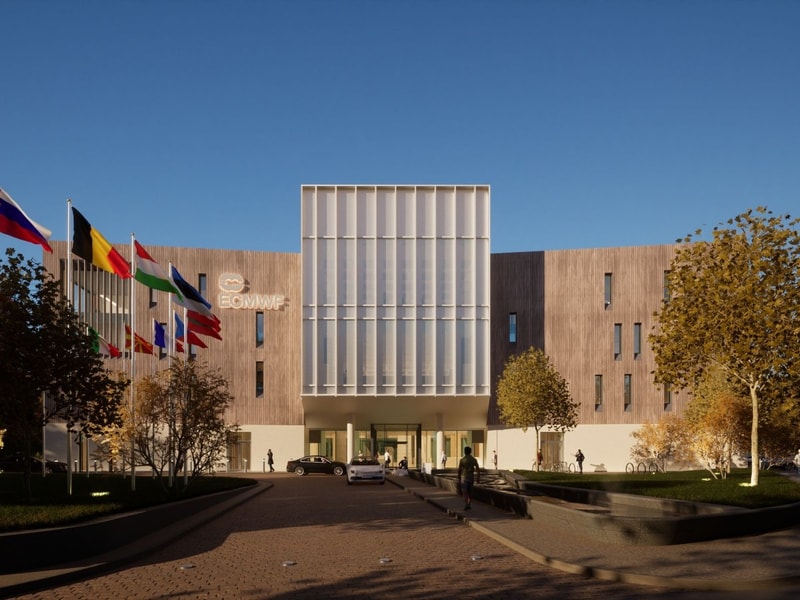
Sustainable headquarters for advanced weather research
Project
European Centre for Medium-Range Weather Forecasts (ECMWF) Headquarters
-
-

-

Catalysing science breakthroughs at The Oxford Science Park
Project
The Daubeny Project at The Oxford Science Park
-


