Key takeaways
28
million specimens to be housed
£201
million UK government investment
100+
scientists united under one roof
- Delivering a global gateway for scientific discovery, creating a hub for research, digitisation and collaboration under one roof.
- Relocating a third of the Museum’s collections, helping reopen long-closed galleries to the public.
- Enabling over 10,000 scientists unprecedented access to 28 million specimens and accelerating breakthroughs in biodiversity, climate and planetary health.
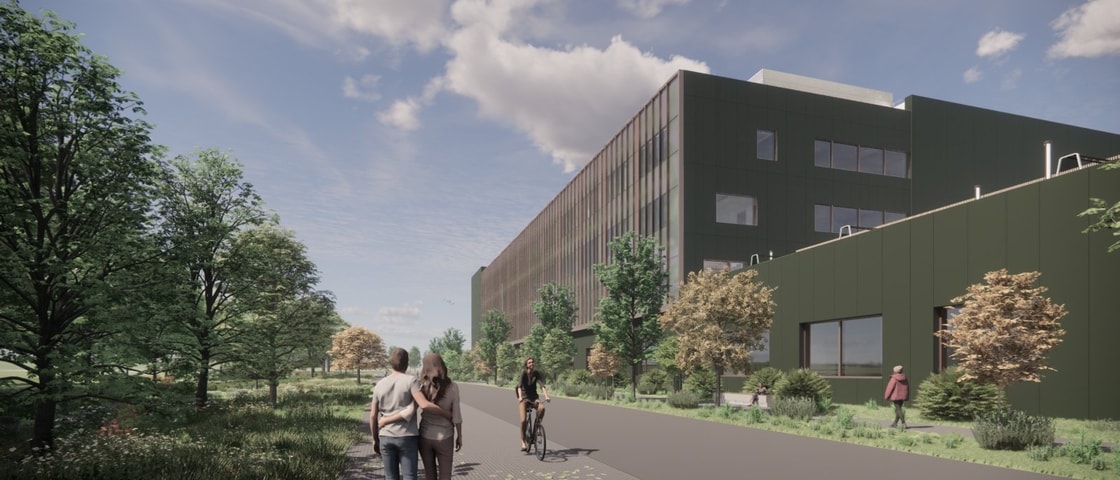
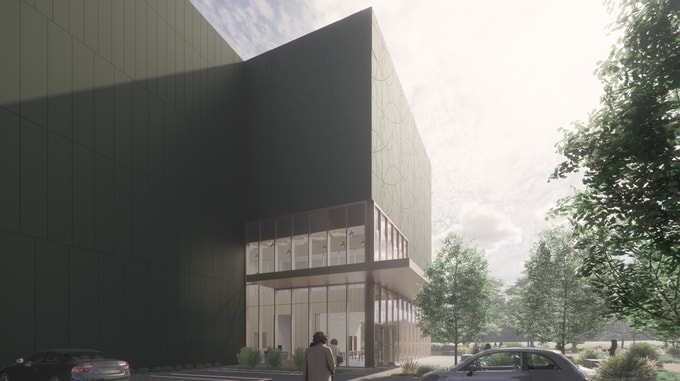
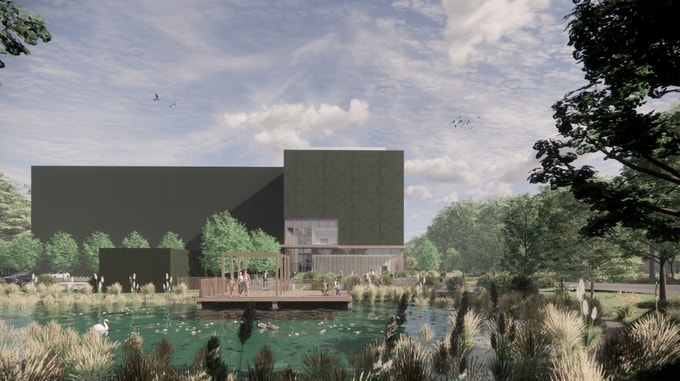
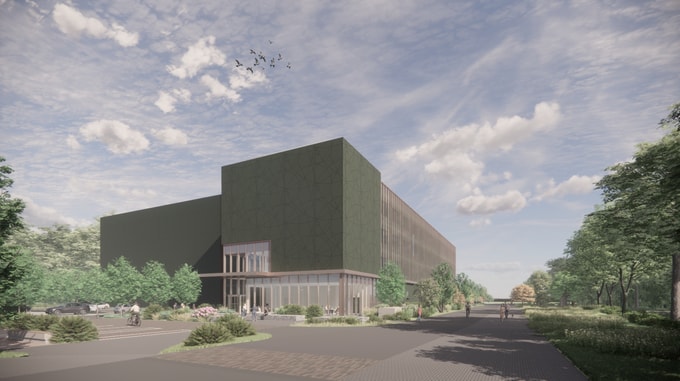
The Natural History Museum (NHM) is opening a new chapter in its extraordinary story with NHM Unlocked, a landmark Collections, Research and Digitisation Centre at Thames Valley Science Park in Reading. This 25,000 sq m facility, designed to protect the past and power the future.
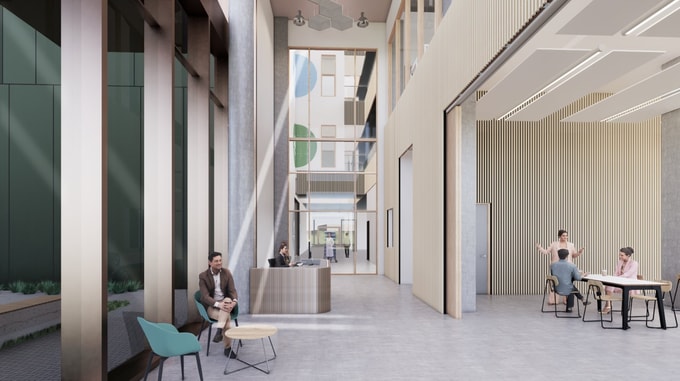
This is more than a building. It’s a bold investment in science, sustainability, and society. The centre will house 28 million specimens, including fossilised mammals, molecular collections and ancient DNA samples. It will feature cutting-edge laboratories, digitisation suites, cryo-storage and collaborative research spaces, enabling over 100 scientists to accelerate discovery and innovation.
Sustainability is woven into every part of the project. From responsibly sourced materials to low-impact construction methods, the centre is being built to achieve net zero carbon in operation. It’s a powerful example of how world-class infrastructure can support climate-conscious goals without compromise.
But the impact goes far beyond the walls. By relocating a third of the Museum’s collections, NHM Unlocked will help reopen two long-closed galleries in South Kensington, supporting the Museum to create advocates for the planet. It will also create new opportunities for education, skills development, and community engagement – unlocking science for everyone.
With planning approved and construction beginning in early 2025, the centre is set to complete in 2027 and become fully operational by 2031, just in time for the Museum’s 150th anniversary.
Other projects
-

-

-

-

-

-

Making history future-proof
Project
British Museum Great Court and the World Conservation and Exhibitions Centre


