Key takeaways
635,000
sq ft construction transformation
6,000
tonnes of embodied carbon saved
600
new spaces created in the terminal
- Transformed the 30-year-old terminal into a world-class facility for passengers and staff.
- The largest airport building in the UK to be transferred to a landside environment and then moved back into a secure airside environment upon completion.
- Boosted passenger capacity from 2,300 to 8,400 per hour.
Since 2019, we have been part of Manchester Airport’s ambitious £1.3 billion transformation programme – a bold 10-year vision to elevate Manchester as a leading global gateway to the North.
As part of this redevelopment, key milestones were delivered that have transformed the passenger experience, and streamlined airport operations. Our work included the retrofit of Terminal 2 East.
Elevating Terminal 2: A New Era of Passenger Experience
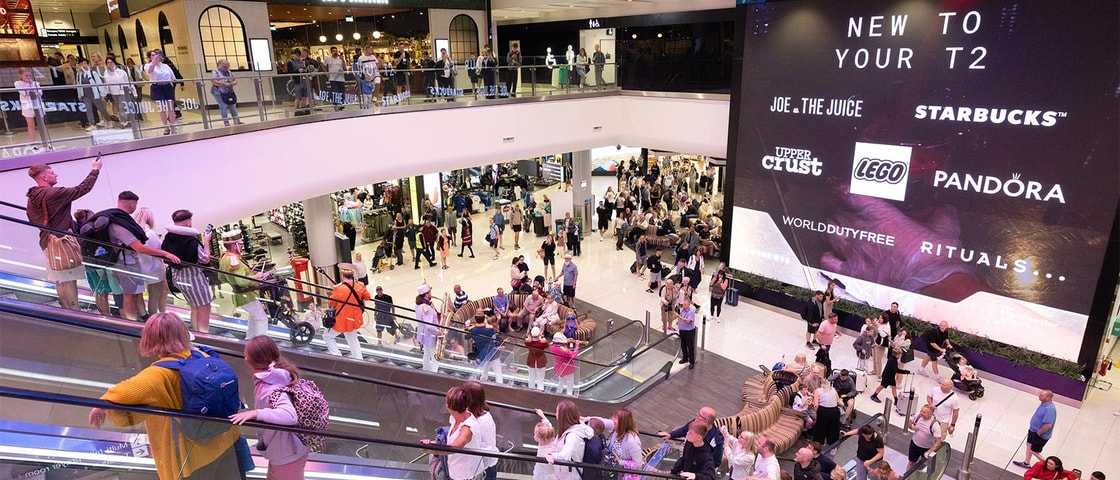
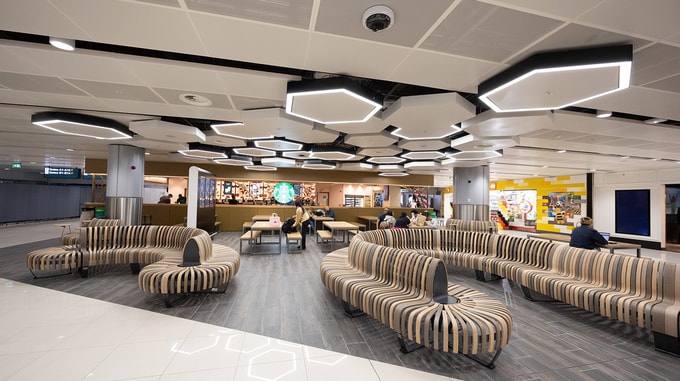
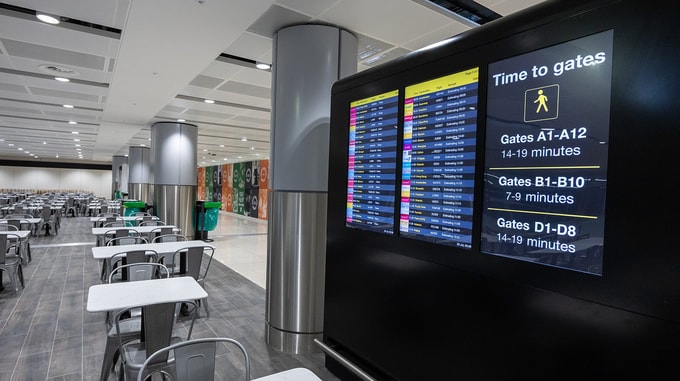
The redevelopment has significantly transformed the 30-year-old Terminal 2, boosting passenger capacity from 2,300 to 8,400 per hour and creating a more seamless, intuitive travel experience through modernised infrastructure and smarter design. Enhancements included:
- State-of-the-art security hall fitted out with next generation security equipment
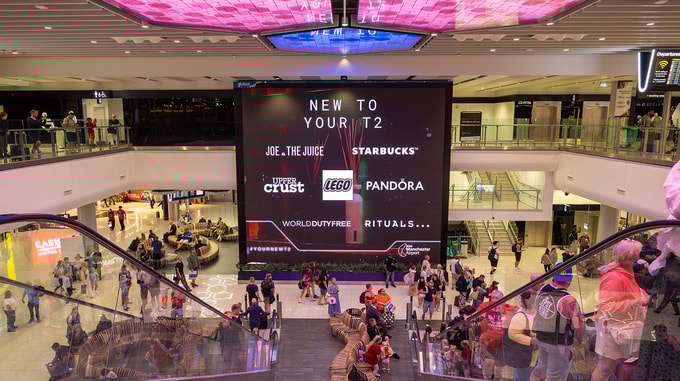
- International departure lounge and over 20 retail spaces including brands such as LEGO, Rituals, Pandora, Joe & the Juice, Upper Crust, Starbucks and WDF Express
- New World Duty Free and Boutique Boulevard
- Arrivals Hall
- Upgraded plantroom, new circulation cores and airline offices - each contributing to a more efficient and comfortable journey for passengers.
The Terminal 2 East retrofit has created 600 new spaces within the terminal. The terminal construction faced significant logistical challenges, compounded by the complexities of operating in a live environment. The Civil Aviation Authority (CAA) commented that this is the largest airport building that they are aware of that has ever been transferred to a landside environment and then moved back into a secure airside environment upon completion.
Approximately 10,000 tonnes of demolition waste were removed from the building and over 500 tonnes of new structural steel installed, all without a crane to infill and form new floor areas. A series of mechanical and electrical upgrades have been carried out across the terminal without interrupting the live operations of the airport.
Manchester Airport’s transformation stands as a powerful example of what’s possible when design, legacy and innovation align.
Other projects
-
-
-

-

-

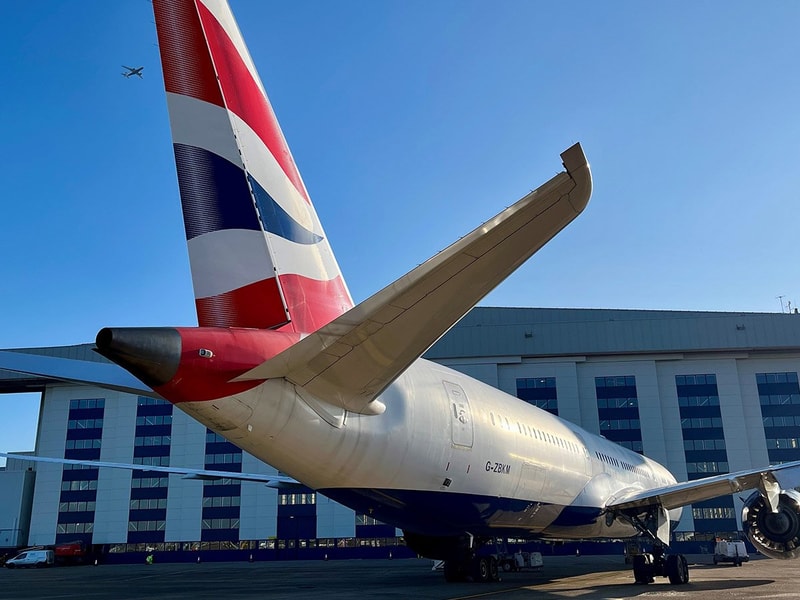
A bridge for a Boeing
Project
Gatwick Pier 6 Bridge and Taxiway
Learn how Mace Group managed the construction of Gatwick Airport's innovative Pier 6 Bridge, a pioneering project that enhances airport capacity with a 197-meter-long bridge.


