Mobilising defence infrastructure for a resilient UK

In a shifting global landscape, the UK’s defence infrastructure must evolve to meet new demands. Industrial mobilisation, SME integration, and data-driven delivery models are transforming defence programmes into agile, resilient national assets, built for speed, scale, and long-term value.
Key takeaways
Defence infrastructure must be treated as a strategic asset, enabling economic growth
SMEs play a vital role in building robust supply chains and must be engaged early to unlock value
Data visibility and early market engagement are key to shaping resilient, scalable delivery models
As the UK redefines its defence priorities in an increasingly uncertain world, the Strategic Defence Review (SDR) has made one thing clear: resilience and agility are no longer optional. The call for a more responsive and robust defence industrial base is not just a military imperative, it is a national one.
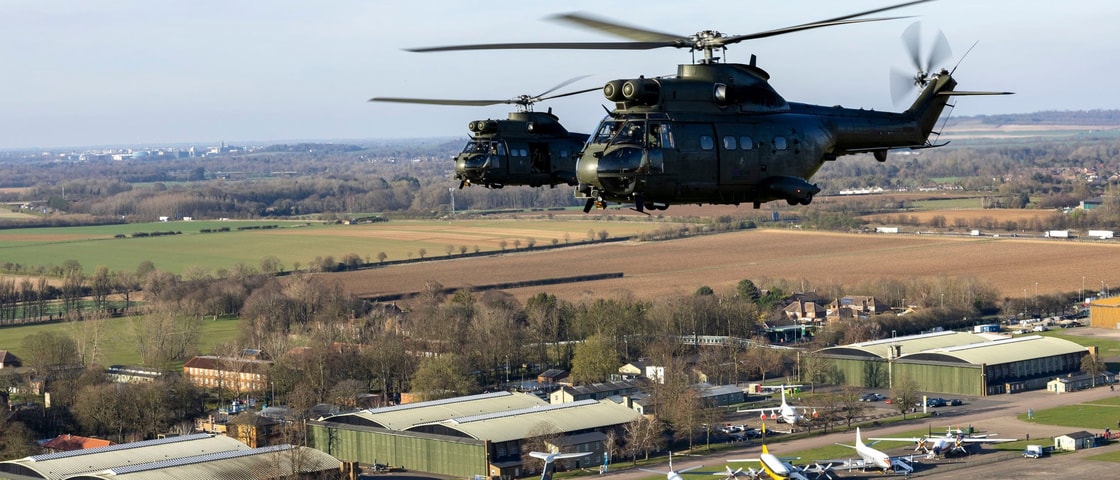
Industrial mobilisation in defence is about readiness, the ability to scale, adapt and deliver at pace. Defence infrastructure must be no different. Whether it’s upgrading bases, delivering secure logistics hubs, or enabling rapid deployment capabilities, the UK’s defence ambitions require a delivery model that is proactive, not reactive.
This means thinking at the portfolio level. It means planning not just for individual projects, but for the long-term capability of the supply chain. And it means recognising that infrastructure is a strategic asset, one that underpins national resilience, economic growth, and social cohesion.
Learning from disruption
The COVID-19 pandemic exposed the fragility of global supply chains. Materials shortages, labour constraints, and logistical bottlenecks disrupted delivery across sectors. However, it also revealed the power of agility. Programmes that adapted quickly by sourcing locally, digitising procurement, and collaborating more openly were able to maintain momentum.
We saw first-hand how early engagement with suppliers, transparent communication, and flexible delivery models helped keep critical projects on track. These lessons must now be embedded into our standard approach. Resilience is not built in the moment of crisis but is designed into the system through foresight, flexibility, and strong local networks.
The role of SMEs in building resilience
If resilience is the goal, then SMEs are the engine. Small and medium-sized enterprises bring innovation, agility, and deep local knowledge. They are often the first to adapt, the quickest to respond, and the most embedded in their communities. Yet, too often, they are treated as peripheral players in major defence programmes. Engaging SMEs early, supporting their growth, and integrating them into long-term delivery pipelines is not just good social value, it’s also smart strategy. Regional supply chains reduce risk, shorten lead times, and create economic value where it is most needed.
At Mace, we’ve championed construction management and delivery partner models as effective tools for enabling earlier engagement with SMEs, offering greater flexibility and opening up more equitable access to opportunities. These approaches help position SMEs as strategic contributors to programme success. This is particularly vital in defence, where security, speed, and adaptability are paramount.
The power of visibility and data
One of the most powerful tools for building resilience is visibility. When we can see across a portfolio, understanding demand, capacity, and risk in real time, we can make better decisions. We can invest in skills and materials ahead of need, balance workloads across regions and respond to disruption with confidence.
This is where digital tools come into their own. On programmes like the Vehicle Storage and Support Programme (VSSP) at Ashchurch, Mace, in collaboration with the main contractor, has supported the client by using real-time data and scenario modelling to anticipate supply chain constraints and optimise delivery sequencing, helping to ensure resilience is built in from the outset. However, technology alone is not enough. It must be underpinned by a culture of collaboration and a commitment to long-term thinking.
Delivering at pace and scale demands a supply chain that is actively shaped, supported, and strategically aligned from the outset. By combining early market engagement, regional supply chain mapping, and data-led forecasting, we can create the conditions for long-term value. This approach not only mitigates risk but also unlocks innovation, accelerates delivery, and ensures that every tier of the supply chain contributes to the mission.
Another example of this long-term, strategic approach is Mace’s work on the Aquatrine programme, supporting the Defence Infrastructure Organisation (DIO) in the early assessment phase of replacing three major PFI contracts for water services across more than 2,400 MOD sites. We have provided cost, commercial, and industry advisory services to help shape a sustainable infrastructure model that aligns with the MOD’s net-zero ambitions. This kind of early-stage engagement is critical, not only to ensure resilience and value for money, but also to embed sustainability and innovation into the very foundations of defence infrastructure.
Mobilising with purpose and pace
The challenges we face, from climate change to geopolitical instability, require a new kind of delivery model. One that is agile, inclusive, and resilient. One that mobilises the full strength of our industrial base – from global contractors to local SMEs – and one that sees defence infrastructure not just as a set of projects, but as a national mission.
To achieve this, we need collaboration across government, industry, and regions. We need procurement models that reward long-term value, not short-term cost. We need investment in skills, innovation, and digital capability. And we need to think strategically, not just about what we build, but how we build it.
The future will not wait. If we want to deliver the defence infrastructure the UK needs, we must mobilise now, with purpose, with pace, and with partners across the nation
Related insights
-
Why smarter water delivery models matter
Perspective
-

Creating resilient heritage estates
Perspective
-

Taking New Towns from vision to delivery
Perspective
-

Value for life in the pharma capex boom
Perspective